
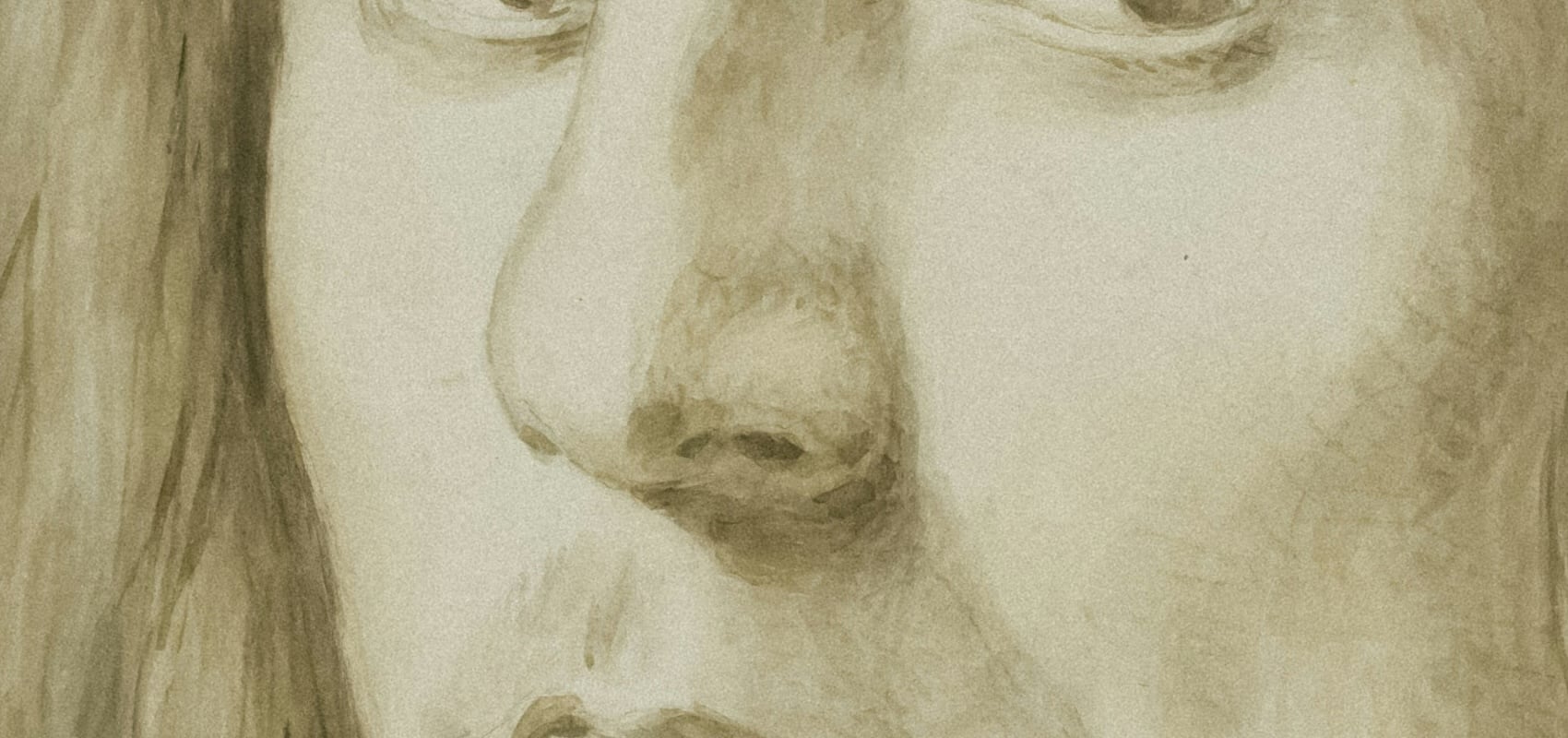
One morning several years ago, as my wife, Wendy, and I were having breakfast together, I had an uneasy feeling that something was amiss—seriously “off,” in fact, though at first I wasn’t sure what had triggered this internal alarm. Then I realized: Somehow, overnight, my sense of smell had been “disabled.” I couldn’t smell the coffee or the bacon—I couldn’t smell anything at all. Panic ensued.
I soon learned that this sometimes happened as a result of COVID, though I hadn’t been sick, and when I took a quick test the verdict was negative. My doctor said that often in such circumstances, one’s sense of smell comes back after time, functioning as usual again, but such has not proved to be the case for me.
This misfortune was particularly ironic because I have always had an unusually keen sense of smell; over the years Wendy teased me about it many times. Not being able to smell anything was deeply disorienting, to put it mildly. It remains so today.
In Smell: The Tale of a Fading Sense, first published in Norwegian in 2024 and now appearing in English, Bjørn Berge makes the case that “we” (members of modern society) are collectively losing our sense of smell. I should say Berge tries to make the case, failing (at least in this reader’s judgment) to do so, but one gets the feeling that he isn’t really serious about it; rather, this thesis provides a rationale for his very loosely linked ruminations, chapter by chapter, many of which touch on earlier periods in history. Smell is a sort of bedside book, if you will, designed to be read in bits and pieces—a genre congenial to me—and if you are interested in the subject, you will find some beguiling odds and ends here.
Still, when I came to the end of chapter 17 (there are twenty chapters altogether, followed by an afterword), I was ready to fling the book across the room. That chapter is titled “White Sheets: The Smell of Purity,” and it concludes thus: “Nowadays more than 40 percent of the population of the Western world suffers from allergies, whereas the level rarely rises above 10 percent in countries that escaped the hygiene hysteria of the Western world,” a sentence as maddening in its smug tone as it is shoddy in its construction.
How I wish that in our tiny bit of “the Western world,” in Wheaton, Illinois, I could suddenly regain my sense of smell. I began to make a list of “lost smells”: baseball mitt, books, coffee, wine, tea, stones, movie theater, flowers—I had to stop. “Hygiene hysteria” has disabled our responsiveness to smells? What utter twaddle.
Every person has a distinctive smell. No two houses smell the same, just as no two people do. I can remember that even though for a few years now I haven’t been able to experience it in the present. “Loss of taste and smell can have a significant effect on quality of life,” the Mayo Clinic tells us. True, that. Another reason to look forward to heaven.
“Smells are ephemeral and leave no physical traces,” Berge writes in his introduction. “But their mental traces are incontestable. Olfactory memories fade much less than other types of memory, and smells can revive memories we have long ago forgotten, often from childhood.” Even with my sense of smell disabled, I am granted, once in a while, the memory of a smell, and for such moments I am immensely grateful.

YOU MIGHT ALSO LIKE
The Church in the Age of Therapy
In 1966, Philip Rieff wrote in The Triumph of the Therapeutic that “Religious man was born to…
Canada’s Deadliest Blind Spot
On September 20, the Daily Mail ran a story with the provocative headline, “Our 83-year-old Christian grandmother…
The Faithful Joy of Dolly Parton and Fulton Sheen
Dolly Parton and Fulton Sheen seem to have had little in common. She favored rhinestones; he wore…
