
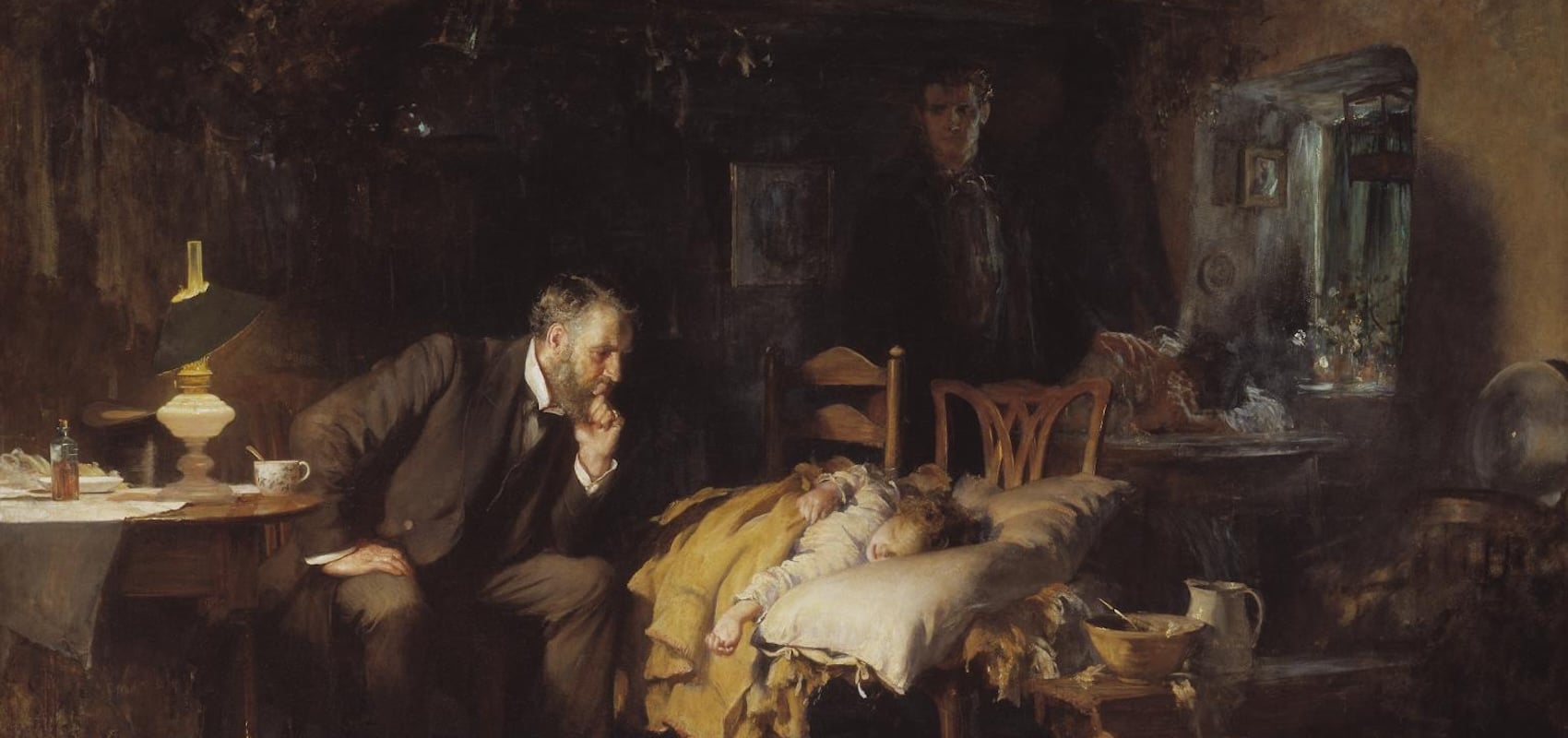
Life is no less beautiful when it is accompanied by illness or weakness, hunger or poverty, physical or mental diseases, loneliness or old age.” These inspiring words were written by my beloved predecessor Terence Cardinal Cooke shortly before his own death from leukemia in October 1983. They are a timely reminder that our lives are sacred gifts from God that we are to protect and cherish. We saw the beauty of a natural death exemplified just over a year ago when Pope Francis, clearly weakened by illness and age, traveled through St. Peter’s Square in the popemobile on Easter Sunday, demonstrating the dignity of life even while suffering the afflictions and ailments that would claim his life the very next day. Pope St. John Paul II gave the same witness before his passing into eternal life in 2005.
Sadly, the idea that all life is precious, deserving of care, protection, and dignity, has slowly disappeared from our culture. There is little doubt that more than fifty years of legalized abortion in our nation have contributed tremendously to the idea that some life is cheap and disposable, leading to what Pope Francis called a “throwaway culture” where those deemed inconvenient, no longer useful, or a burden are discarded. The same attitude surfaces in our treatment of the immigrant or the homeless, in our callousness toward the calamity of war, and in calls by some to expand the death penalty.
It is also evident in the rush to embrace physician-assisted suicide across the country. Here in New York, the “Medical Aid in Dying Act,” passed by the state legislature in 2025 and signed into law by the governor this past February, will go into effect on August 5. It is the latest assault on human life, the next step toward a complete throwaway mentality.
When this law becomes effective, a new and frightening era begins in New York. How long before this so-called “compassion” for the terminally ill evolves from a “choice” into an expectation to kill oneself for all sorts of vulnerable individuals, including those with disabilities, the elderly, and those in impoverished and medically underserved communities?
Once a law like this is enacted, we must be vigilant about the slippery slope it creates. What begins as a personal choice could lead to situations where external forces, such as government agencies or insurance companies, begin to influence or even dictate end-of-life decisions. This shift could undermine the respect and protection due to every human life. It’s a future we must guard against with both compassion and vigilance.
We have already seen many examples of this pressure not to be a “burden” to society or to family and loved ones. In Canada, legislation that was allegedly intended only for the dying was quickly broadened to cover those with “chronic” but not life-threatening illnesses, such as arthritis, who wish to seek a doctor’s help in killing themselves. Next year, the law is set to be expanded again to permit those whose only underlying condition is mental illness, such as depression, anxiety, or anorexia, to have access to so-called “medical aid in dying.”
Our first instinct, when we learn someone is thinking of killing himself or herself, is to do all that we can to prevent it. Just a few weeks ago, our news media glowingly reported on the successful efforts of the New York City Police Department in saving a suicidal woman who was sitting on the edge of a high-rise and threatening to jump. These brave and compassionate officers listened to the woman, sat on the ledge with her, held her hand, showed her that they cared, and eventually convinced her to allow them to bring her back to safety and get the help she needed.
Admirably, New York State devotes tremendous resources to suicide prevention among our young people. So too, many of our bridges and train crossings have signs reminding people that “life is worth living,” along with numbers to call for help. How at odds this is with the rush to help others to end their lives. One wonders if, as this throwaway culture expands, a despairing individual considering suicide won’t need to leap from a bridge or step in front of a moving train. Rather, a quick call to a doctor will secure the drugs needed to end it all with the full blessing of the state.
Fortunately, even as New York and other states rush to offer suicide to the terminally ill, there are alternatives to allow for true “death with dignity.” Great strides in palliative care, available here in the Archdiocese of New York at Calvary Hospital and from the Dominican Sisters of Hawthorne, among many other providers, ensure that those who are nearing the end of life may do so without pain or fear of being a burden. The New York State Catholic Conference has provided a comprehensive but easy-to-read guide on facing end-of-life decisions. Called Now and at the Hour of Our Death: A Catholic Guide to End-of-Life Decision-Making, it is an invaluable resource for Catholics—and others—who are seeking guidance on how to approach these difficult decisions.
As Catholics, we understand that our lives are finite, and that our ultimate goal is not to preserve our lives at all costs, but rather to attain eternal life with our Heavenly Father. Our lives belong to God, and it is incumbent on us to respect and protect our own lives, just as we rightly demand respect and protection for all human life, from conception until natural death.

YOU MIGHT ALSO LIKE
SlutCon’s Emotional Void
The tech-rationalist phenomenon “SlutCon” caused quite a stir online, perhaps predictably. SlutCon was a multi-day retreat and…
The Boys on the Brink
In the latest installment of the ongoing interview series with contributing editor Mark Bauerlein, Leonard Sax joins…
Vatican II Didn’t Kneel to Modernity
In his weekly catecheses on Vatican II, Pope Leo is now discussing Gaudium et Spes, one of…
