
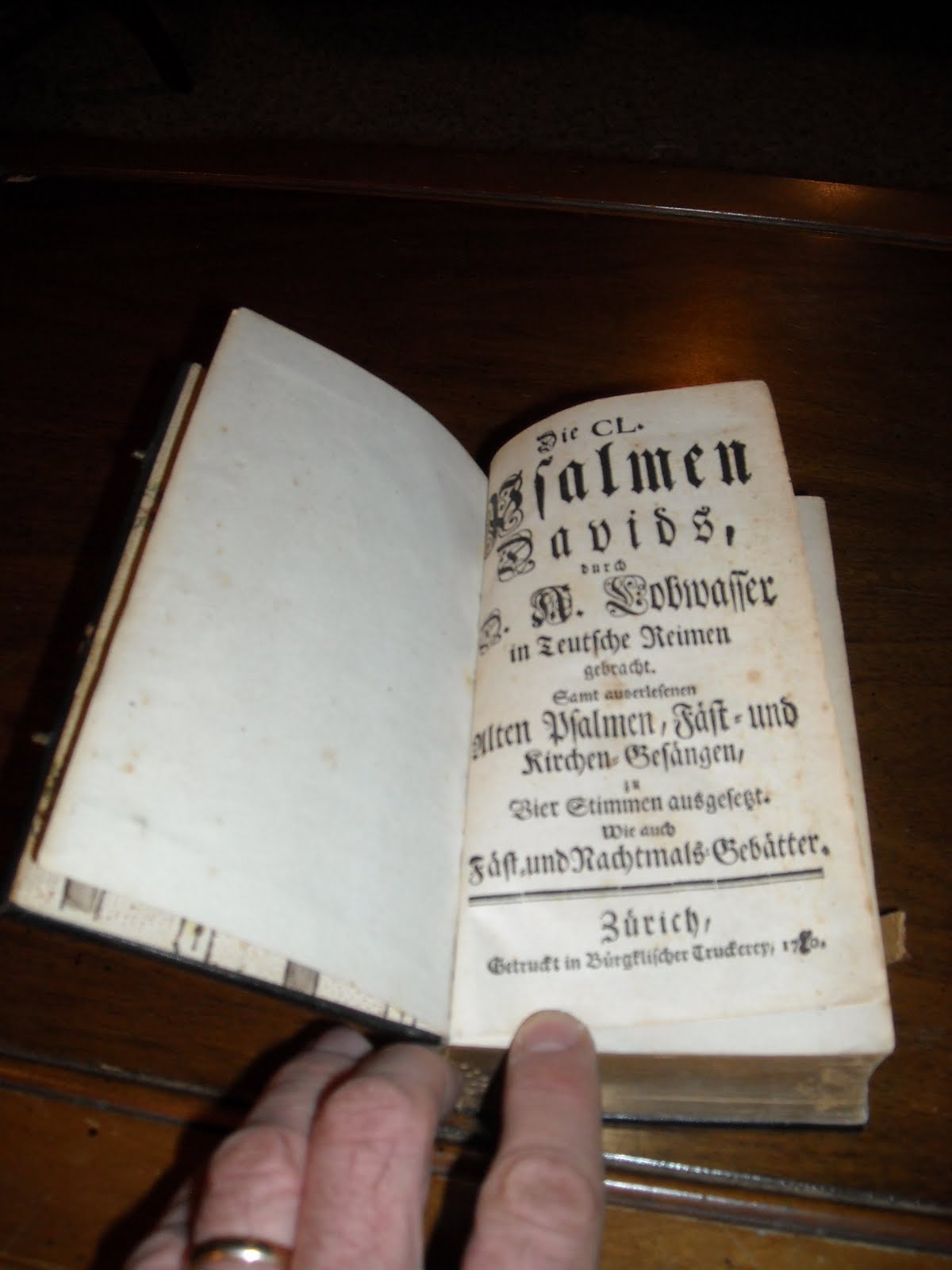

My thus far preliminary research has raised some intriguing questions worth further exploration. First, might Strejc have met Lobwasser personally in Königsberg and thereby come under his more direct influence?
Second, given that the Kirchengesänge were produced by the same group of which Strejc was a minister, might this be evidence of a connection between the tunes for Psalm 138 and Mit Freuden Zart? To be sure, Strejc’s versification of that Psalm came later, but might the Unity of the Brethren have become aware of the Genevan tunes earlier, and might it have been through Strejc? Tellingly, the Lutheran Book of Worship (1978) ascribes the tune directly to the “Trente quatre pseaumes de David, Geneva, 1551.” These two possibilities are probably mutually exclusive.
Third, if Lobwasser based his translations on the French text of Marot and Bèze (for which he was criticized by his Lutheran colleagues), and if Strejc based his translations on Lobwasser’s German text, how true are Strejc’s texts to the Hebrew? Only someone conversant in Czech and Hebrew, and perhaps all four languages, would be able to answer this question satisfactorily.
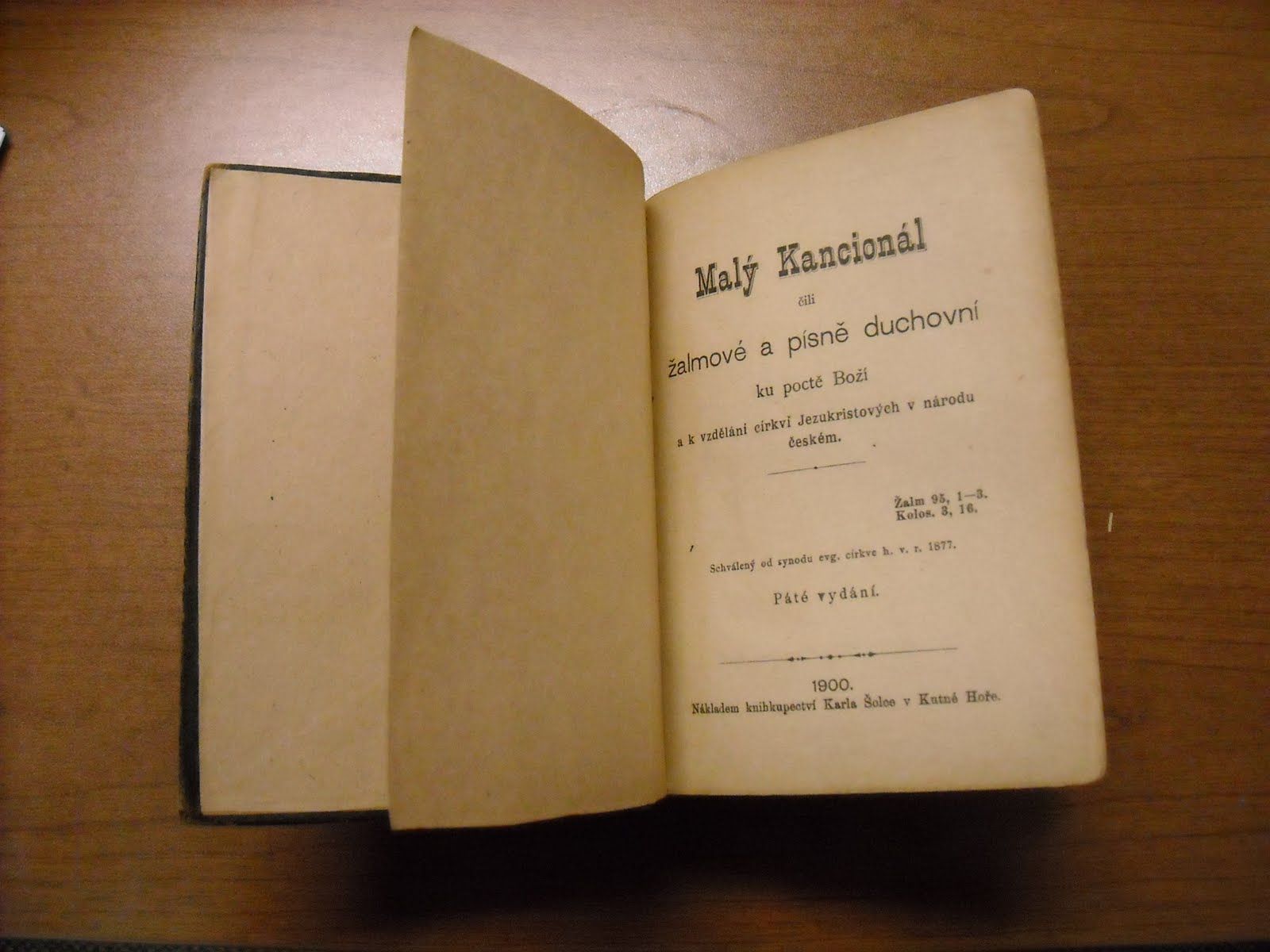
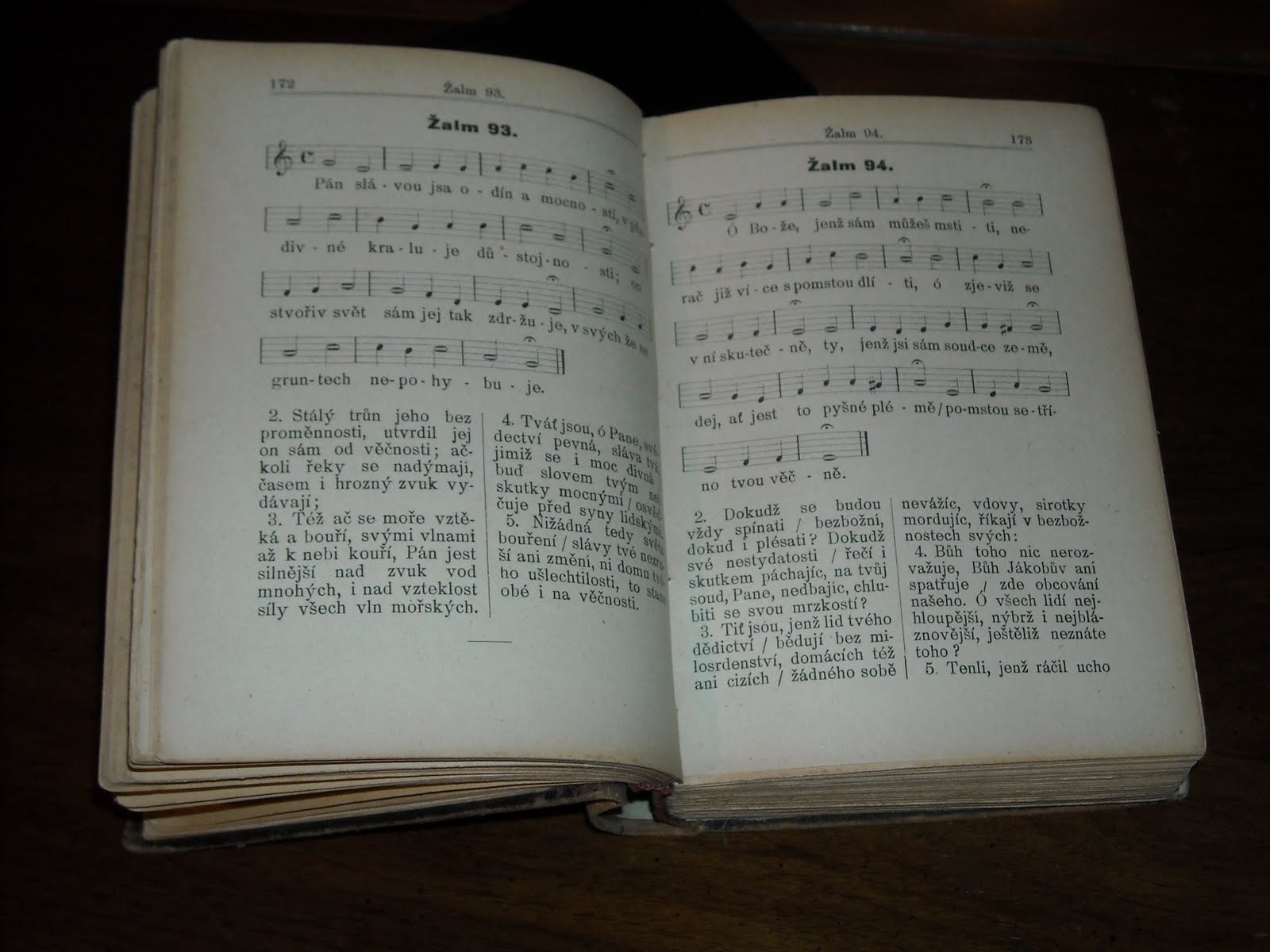
By the way, the city of Königsberg has been called Kaliningrad since 1945 and has been part of the Russian Federation. At some point there was talk of changing the name (Kalinin was a Stalin-era Soviet functionary) to honour its most famous citizen, Immanuel Kant. I would like to suggest as an alternative that it be renamed for either Lobwasser or Strejc. Or even both: Lobwasserstrejcgrad!
I might point out that, amongst the Dutch Canadians I know personally, many dislike intensely this style of singing and their churches have thus altogether abandoned the Genevan Psalms for more contemporary fare. I find this tragic, and my own Genevan Psalter website is part of a larger ongoing project to recover the Genevan tradition and to make it more singable for younger generations of Christians in a variety of traditions.
Dear Reader,
Can I be direct with you?
War abroad. Socialists on the rise. AI upending human life. Endless uproar online. The modern attention economy doesn’t want readers — it wants users enslaved to the tyranny of the present.
First Things is the antidote: literary excellence, timeless truths, and a fixed point of reference in a culture that has lost its bearings.
But we can’t do it without readers like you.
Our goal: Raise $150,000 by November 1 to sustain First Things in the year ahead.
Your gift anchors readers in the permanent things.
Make your Fall Campaign gift now using the button below.
If you have any questions or would like more information, please contact Giovanni Del Piero, Director of the Editor’s Circle, at gdelpiero@firstthings.com or 212-627-1985.

YOU MIGHT ALSO LIKE
The Church in the Age of Therapy
In 1966, Philip Rieff wrote in The Triumph of the Therapeutic that “Religious man was born to…
Canada’s Deadliest Blind Spot
On September 20, the Daily Mail ran a story with the provocative headline, “Our 83-year-old Christian grandmother…
The Faithful Joy of Dolly Parton and Fulton Sheen
Dolly Parton and Fulton Sheen seem to have had little in common. She favored rhinestones; he wore…
