
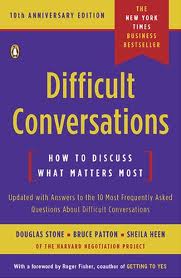
 The American Society of Clinical Oncology is urging its members to be more candid with their dying patients and to discuss end of life issues sooner. From the story:
Patients don’t want to hear that they’re dying and doctors don’t want to tell them. But new guidance for the nation’s cancer specialists says they should be upfront and do it far sooner. The American Society of Clinical Oncology says too often, patients aren’t told about options like comfort care or even that their chemo has become futile until the bitter end. To help families broach the topic, too, the group developed an easy-to-read booklet about those choices, from standard care to symptom relief, and advice about what to ask to maximize remaining time. “This is not a 15-minute conversation, and it should not happen in the back of the ambulance on the way to the ICU at 3 in the morning,” says ASCO chief executive Dr. Allen Lichter. “When everyone is well and has their wits about them, it’s time to start the process.”
Some are treating this recommendation as a “death panel” issue or a matter of pushing people to give up hope for monetary reasons. I disagree strongly. My volunteer work in hospice, personal experiences with friends, family, and physicians, and work in “bioethics” for lo these many years—all convince me that the problem described by the Society is real, and the remedy it has proposed right.
Too often, people are denied the benefits of hospice care because doctors don’t bring it up. Too often, people take last ditch chemo that has very little chance of extending their lives, and which comes at a great cost to their ability to enjoy the time they have left. Too often, people miss the opportunities for closure, family forgiveness, spiritual preparedness, heck, dream vacations, and other important positives too numerous to list because they are denied the opportunity to come to grip with the pending nature of their own mortality. It’s very hard. But so much good, indeed transcendence, can come from the ending time of life.
Obviously, we don’t want people forced into hospice or pushed out of life extending or curative care. (And yes, I know that some hospices have had their problems.) I just don’t think that is what is happening here, and I worry that some—either out of ignorance or opportunism—are twisting the Society’s recommendation to make an unwarranted political point.
Dear Reader,
Can I be direct with you?
War abroad. Socialists on the rise. AI upending human life. Endless uproar online. The modern attention economy doesn’t want readers — it wants users enslaved to the tyranny of the present.
First Things is the antidote: literary excellence, timeless truths, and a fixed point of reference in a culture that has lost its bearings.
But we can’t do it without readers like you.
Our goal: Raise $150,000 by November 1 to sustain First Things in the year ahead.
Your gift anchors readers in the permanent things.
Make your Fall Campaign gift now using the button below.
If you have any questions or would like more information, please contact Giovanni Del Piero, Director of the Editor’s Circle, at gdelpiero@firstthings.com or 212-627-1985.

YOU MIGHT ALSO LIKE
The Church in the Age of Therapy
In 1966, Philip Rieff wrote in The Triumph of the Therapeutic that “Religious man was born to…
Canada’s Deadliest Blind Spot
On September 20, the Daily Mail ran a story with the provocative headline, “Our 83-year-old Christian grandmother…
The Faithful Joy of Dolly Parton and Fulton Sheen
Dolly Parton and Fulton Sheen seem to have had little in common. She favored rhinestones; he wore…
