
Famesick:
A Memoir
by lena dunham
random house, 416 pages, $32
If offered the choice, how many of us would take riches, fame, and recognition, even if the price is a half-life? We know from fairy tales that many of us would, though the gifts come with inverse curses. Famesick, Lena Dunham’s memoir, ties the two together in the title: The gift of fame comes with the curse of sickness.
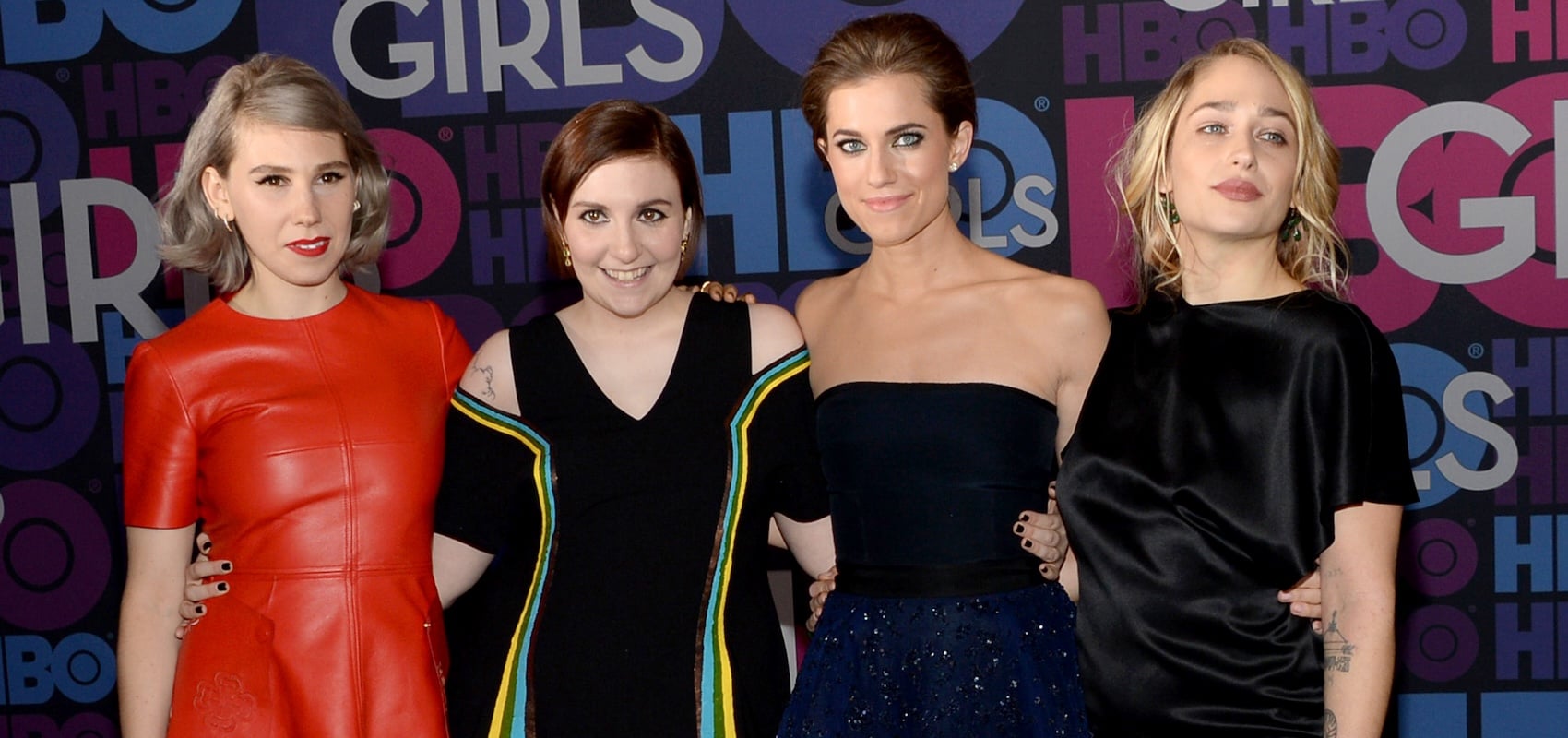
Dunham, the prodigy creator and star of the HBO series Girls, rose to the heights of fame and success when she was just twenty-four years old. The throwaway joke her character Hannah Horvath makes in the first episode—“I could be the voice of my generation. Or, at least, a generation”—was prophetic. But like most prophets, her role has been an unhappy one. She spent her twenties as the object of intense online scrutiny and criticism—at times a left-wing darling, at times as canceled as a white supremacist.
Now forty, Dunham offers her memoir as a plea for understanding from her readers: Her fame has cost her health, her fertility, and her connection with the Millennial generation that for several years she helped define. On the page, Dunham turns herself inside out. She shows that the core of herself, which she had treated as untouchable, did not escape undamaged. Despite all her misgivings, she has improbably stumbled into a few right conclusions.
Famesick chronicles her life from her first forays into film in college, her breakout success with Girls, and everything that has cost her in the fifteen years since. In terms of health, she has suffered complications from endometriosis and Ehlers-Danlos syndrome, culminating in a hysterectomy when she was thirty-one.
She writes:
Like my illness, [fame] has vacillated in both intensity and quality—good days; okay periods; very, very bad ones. Unlike being sick, when you’re famous, nobody feels sorry for you. Fame is viewed, largely, as a condition of privilege that you’ve brought upon yourself. It’s your fault, and it’s also a good thing—even the bad parts seem, to those outside the experience, to be outweighed by the perks. After all, the bedrock amusements of American life—pageants, talent shows, being discovered at the mall—are predicated on being chosen for glory.
Dunham has a habit of overexposure. Just watch any episode of Girls to see how Dunham-the-writer ruthlessly undresses herself (literally and figuratively) through Hannah-the-character. The show is full of degrading sex and fruitless relationships, which, to a Christian eye, point to the emptiness of a life after all Chesterton’s fences have been torn down.
The decade since Girls ran its course has given both Dunham and her work a more conservative sheen. Just a year after the show went off the air, the Me Too movement established victimhood as the ultimate moral and social framework. This was the opposite vision of what Dunham and her cocreators thought they were building. Their feminism was anti-fragile and detached. The girls of Girls take responsibility for what they frame as “experiences” but today would be considered trauma. They laugh them off in spite of the obvious damage they’ve incurred to their bodies and souls. In a 2023 interview, costar Jemima Kirke reflected on the feminism they were trying to build versus how things shook out: “The direction we were going in is ‘We’re not precious. We’re not fragile flowers. We can be reckless with ourselves and our bodies, and laugh about it and chalk it up to an experience that shapes us.’”
As Alan Jacobs wrote in these pages, Dunham’s characters view their true selves as “inviolable,” untouchable by their actions: “Girls is a narrative of the sacred set in a storyland Brooklyn, a kind of mythic sandbox in which characters only play and suffer clearly limited consequences.” Since morality is typically based on the interplay of one’s actions upon others, there is no real morality in the world of Girls. If the true self is inviolable, then no one can really be harmed.
In real life, Dunham is obviously deeply harmed by both her actions and those of others. She compensates by directing her energy toward an unmoored idea of being a good person. The only person she can hold to any standard is herself, and she does so to an exacting degree. She recalls how, in the early days of her fame, her feeling of undeservingness made her bend over backward for anyone who asked her anything. “I am, insofar as this is even a healthy response to life, a person who wants to make others happy. . . . When I feel I have failed at that mission, I am overtaken by self-hatred, destabilized too totally to do much of anything.”
This same grasp at goodness tied her to her longtime boyfriend, music producer Jack Antonoff, long after they should have separated: “One of the last things we still shared was the sense that our ability to keep the relationship going was directly proportional to our inherent goodness. I meanwhile, had decided early on that retaining the love of a good guy was the ultimate sign that I was not the toxic, detestable creature that huge swaths of the Internet saw me as.”
As bleak as her atomized and self-obsessed morality is, it’s better than demanding everyone else conform to one’s faulty vision of justice (as became vogue in the woke era). Despite her illness and her unpopularity, she never (at least overtly) casts herself as a victim. She has the mark of a true artist in that she is unable to escape certain moral truths; after making a series of the worst type of decisions, she manages to stick the landing. This applies to her stories as much as to her own life. In Girls, the last thing one sees of Hannah is her breastfeeding the baby she inexplicably (by the show’s moral paradigm) decides to keep. Its creators said that they wanted this character, who has been so selfish for six seasons, to end in one of the most self-giving acts a person is capable of. In the movie Catherine Called Birdie, which Dunham adapted and directed, again the selfishness of the main character and her father is beautifully subverted. And in Famesick, after 350 pages of oversharing, her husband comes quietly into the picture and stays there. Perhaps her true heart does in fact remain inviolable, now that it’s focused on a person rather than experiences.
Image by Evan Agostini/Invision/AP
Dear Reader,
Can I be direct with you?
War abroad. Socialists on the rise. AI upending human life. Endless uproar online. The modern attention economy doesn’t want readers — it wants users enslaved to the tyranny of the present.
First Things is the antidote: literary excellence, timeless truths, and a fixed point of reference in a culture that has lost its bearings.
But we can’t do it without readers like you.
Our goal: Raise $150,000 by November 1 to sustain First Things in the year ahead.
Your gift anchors readers in the permanent things.
Make your Fall Campaign gift now using the button below.
If you have any questions or would like more information, please contact Giovanni Del Piero, Director of the Editor’s Circle, at gdelpiero@firstthings.com or 212-627-1985.

YOU MIGHT ALSO LIKE
Forget Odysseus. Aeneas Is the True American Hero.
Who is our Odysseus? Or more precisely, who is the most Odyssean hero of American film? Matt…
Foucault’s Idol of Nothingness
Today marks the 100th anniversary of the birth of Michel Foucault. He was influential in his lifetime,…
The Last Statesmen?
In the latest installment of the ongoing interview series with contributing editor Mark Bauerlein, Steven B. Smith…
