
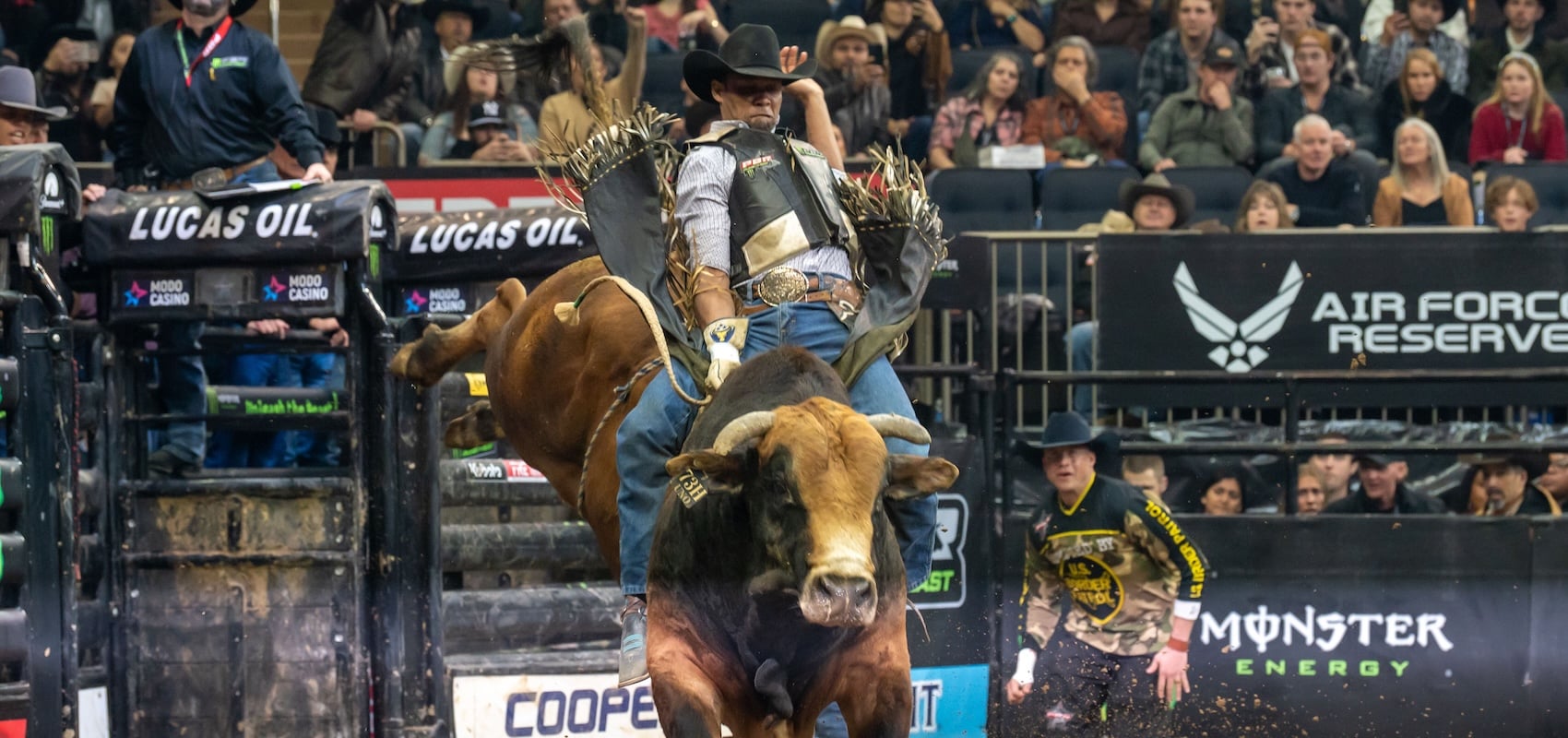
It’s hard to think of a sport that embodies the American spirit better than rodeo. But while the White House has opened its doors to countless baseball, hockey, and basketball athletes over the past forty years, America’s best cowboys and cowgirls have been overlooked.
Until now.
Earlier this month, President Donald Trump welcomed the 2025 Professional Rodeo Cowboys Association and Women’s Professional Rodeo Association world champions to the Oval Office for the first time since the Reagan administration. Their visit, facilitated by Secretary of Agriculture Brooke Rollins (herself a former barrel racer), included tours of the West Wing and a meeting with the president in which they presented him with a custom Resistol cowboy hat.
As a longtime rodeo fan and Wild West native living in Washington, D.C., I was thrilled to see so many boots and buckles in the White House. But I was also pleased to see the Western lifestyle get the recognition it deserves at a significant moment. This year, as America marks its 250th birthday, it’s only fitting to honor the rugged men and women who embody the grit, fearlessness, resilience, and love of God and country that built America and made it great.
For the uninitiated, every rodeo worth its salt begins with an invocation asking for God’s protection over the athletes and animals, thanking him for our freedoms, and praying for his hand on our nation. A cowgirl perched on horseback trots into the arena, an American flag streaming behind her. The rodeo announcer might share some heartfelt words about the significance of Old Glory or recite a poem about its symbolism before the first notes of the National Anthem blare across the loudspeakers and the flagbearer circles the arena at full speed. Cowboys remove their hats, children place their hands over their hearts, and weathered ranchers mouth along with the words.
In between snippets of country music and classic rock, you’ll hear the lowing of steers, the snorting of bulls, and the nickering of horses drift from the chutes. The smell of funnel cakes and kettle corn wafts from food trucks. The crowd cheers as contestants with decidedly rustic names like Cody, Wyatt, and Cassidy compete in events that simulate real-life ranching. Rodeo, with its roots in the horsemanship of the Mexican vaqueros, rose out of informal wagers among cowhands in the American West. Isolated on the open range, spending hours working cattle, cowboys would turn everyday tasks like roping and riding into competitions. Modern rodeo didn’t exist until the late nineteenth century, and the Professional Rodeo Cowboys Association was founded in 1936. Twelve years later, the Women’s Professional Rodeo Association was formed, becoming the oldest women’s sports association in America. With husbands and sons away fighting World War II, women found themselves, like the hearty pioneer women before them, responsible for keeping the ranches running—and the rodeo tradition alive. Female events like barrel racing, breakaway roping, and mounted shooting test agility, control, and coordination.
For their part, the men compete in events like riding bulls and jumping from horseback to tackle wayward steers. It’s a rough-and-tumble spectacle, but the animals are athletes in their own right, and the cowboys treat them as such; it’s their money and property on the line, after all. And when a horse and rider work together in an event such as tie-down roping, where the cowboy flips a calf on its back and ties its legs together while his horse pulls the slack, it’s a beautiful display of teamwork between man and beast.
It’s a bonding experience for spectators, too. Rodeo announcers make a point to acquaint the crowd with one another. Attendees from blue states often find themselves the butt of good-natured jokes. “Welcome to the land of the free,” I recall one Wyoming rodeo clown teasing a group of Californians. Rodeo hosts are certainly not the most politically correct. Anywhere else, their jokes might get them canceled. But this is Real America, where “Don’t Tread on Me” bumper stickers adorn vehicles, American flags abound, and MAGA caps are as plentiful as cowboy hats. They are the Forgotten Men and Women; the people who wear Wrangler jeans instead of Armani suits to work and drive pickup trucks hauling horse trailers instead of BMWs. They’re tied to ranches that have been in their families for generations, and they depend on the weather and an erratic economy for a living. Those on the rodeo circuit come at their own expense with hopes of winning glory—and a little cash. Get thrown from a bronc before the eight-second buzzer and the trip is a bust.
But while they might enjoy ribbing a coastal elite or grumbling about Washington politics, the Western community welcomes anyone with genuine interest in and appreciation for their way of life. As a city slicker from one of the largest metropolises in America, I know little about ranching, riding, or animals. But rodeo is bound by a common thread that transcends technicalities and geography: patriotism, family, faith, tradition, and a keen awareness that these values are increasingly in short supply. I often find myself more at home at a small-town rodeo than a happy hour on Capitol Hill.
As we look forward to celebrating 250 years of independence this summer, go to a rodeo. Under the hot stadium lights, you just might find a dusty arena full of kindred spirits.
Photo by Ron Adar / SOPA Images/Sipa USA
