
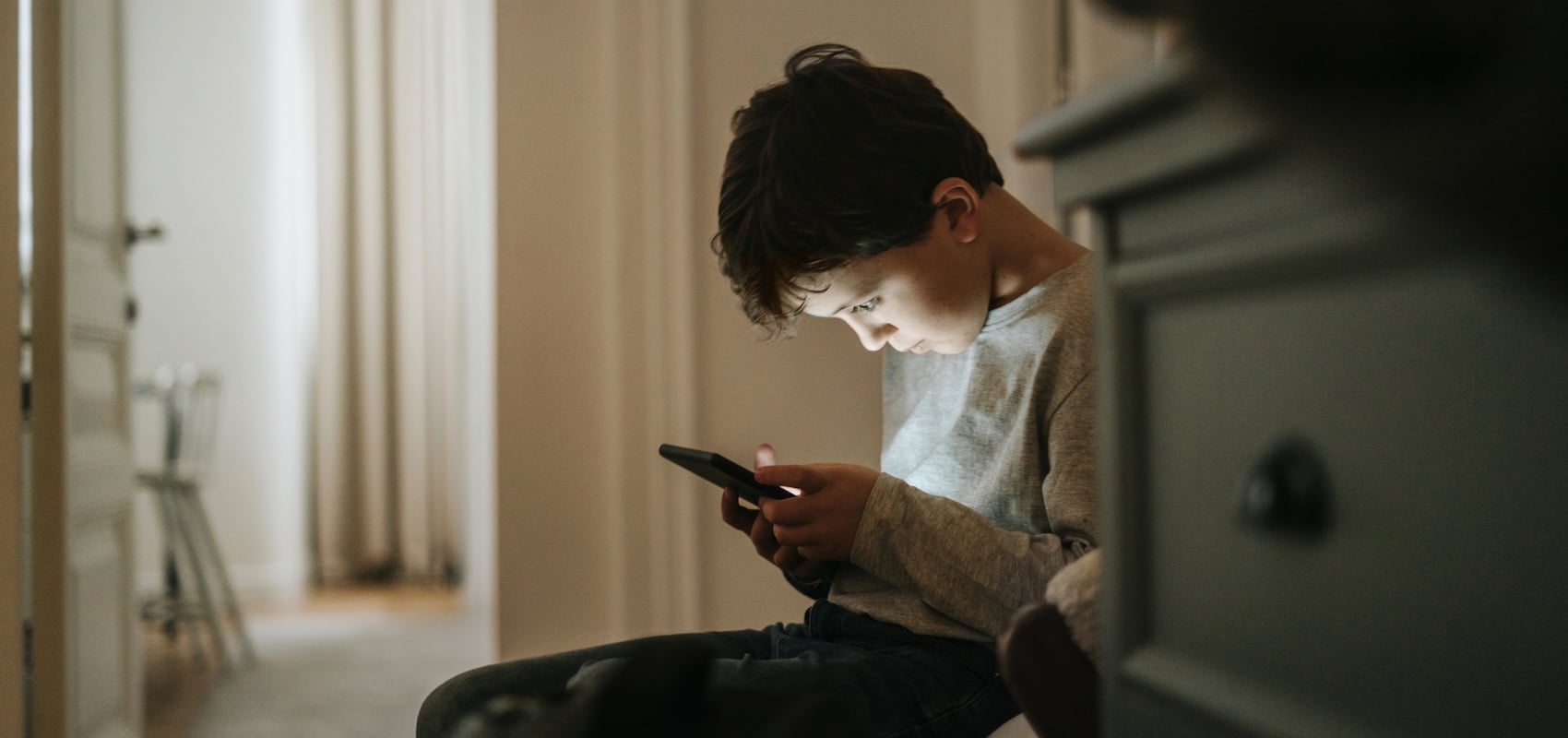
Two misconceptions have been circulating since last week’s landmark ruling in K.G.M. v. Meta et al., which found Meta and YouTube liable for harms to an individual plaintiff: First, that this verdict threatens free speech; and second, that it undermines parental rights and responsibility. Similar concerns have been raised against the nearly dozen state laws imposing age restrictions or parental consent requirements for minors on social media. However, kids’ wellbeing, free speech, and parental rights need not be competing values.
Regarding concerns over threats to free speech, David French wrote in the New York Times: “A social media site isn’t a bottle of alcohol or a cigarette. It’s not delivering a drug. It’s delivering speech. Sometimes that speech is silly and harmless. Sometimes it is toxic and harmful. Sometimes it’s educational or inspiring. But it’s all speech, and in America speech traditionally can be blocked, censored or regulated only in the narrowest of circumstances.” Important facts are missing in this analysis. First and foremost, K.G.M. was about addictive design, not speech. Meta and YouTube were found liable for designing an addictive product that was a substantial factor in causing the plaintiff’s mental health harms, and for failing to warn users about the dangers to children. The suit alleged that the plaintiff was harmed not by the content she was exposed to on social media but by the product design features, like aggressive algorithms, infinite scroll, autoplay, “likes,” or beauty filters that mimic plastic surgery. This distinction between content (protected by the First Amendment) and product design (subject to liability) is often missing from analysis, yet it was crucial to the plaintiff’s success in court, showing us a path forward for balancing the protection of children and the protection of speech.
The drug analogy that French dismisses is actually quite apt when applied to product design. Addiction scientists testified at the trial that social media acts like a drug. It activates reward pathways in the brain, triggers dopamine release, and generates cravings. Over time, social media causes the same kind of structural and neurochemical changes in the brain as alcohol, tobacco, and other drugs.
When companies create a product that harms consumers, especially children, they can and should be held accountable in the court of law. Social media platforms are no different in this regard than any other negligent business. These companies intentionally engineered their products to be maximally addictive. The results are dire. A Pew Research Center survey found that nearly half of teens (46 percent) are online almost constantly (nearly double the rate from a decade ago, when it was 24 percent), and that they mainly spend that time on social media. Teens who use social media for three or more hours every day face increased risk of depression, anxiety, and other mental health problems. A 2023 survey from Gallup found that teens between the ages of thirteen and seventeen spend an average of 4.8 hours on social media daily. Most teens, in other words, are in the danger zone.
Social media doesn’t have to be addictive. Companies can make different design choices. And the speech and content on their platforms can remain untouched.
Now, French is right about one thing: Social media is more complicated to regulate than alcohol or cigarettes because it not only acts like an addictive substance on the brain but also provides a platform for information and speech. The same thing could be said for bars or casinos. These are venues where children could access speech and connect with others. Yet we allow states to restrict children’s access to these types of spaces because they are inherently dangerous for children and their developing brains. Social media bans for minors, like Australia’s and Florida’s, are simply applying this logic to the digital realm.
The Supreme Court has long recognized that the free speech rights of minors are more limited, as minors do not have identical constitutional rights to adults; that companies don’t have a First Amendment right to speak to children over and above their parents; and that adults have no First Amendment right to avoid age verification (made clear in the recent Free Speech Coalition v. Paxton decision). What this means is the recent jury verdict and the growing number of state laws that restrict minors’ access to social media can withstand constitutional scrutiny.
The other main concern raised is that the ruling undermines parental rights and responsibility. FIRE Executive Vice President Nico Perrino posted that the verdict “diminishes the responsibility parents have to raise healthy kids. . . . [The plaintiff] says she began using YouTube at age 6 and Instagram at age 9 and told the jury she was on social media ‘all day long’ as a child.” He added, “Where were the parents?”
In some ways, Perrino’s objection is valid. Parents shouldn’t let children access dangerous products. But unlike other dangerous tools—guns, for example—social media companies actively market their platforms as child-friendly and safe. Parents can keep guns out of their homes, but they do not have such meaningful control over a child gaining access to social media. Age verification or parental consent are not required to create an account.
I am not saying parents are powerless here. In fact, I wrote a book (The Tech Exit) detailing how parents can raise their children and teens free of social media and smartphones. But in the absence of meaningful parental controls, clear warnings about the dangerous effects of using the product, or any form of effective age verification or parental consent, the blame for social media’s product harms should not fall on parents. It should fall squarely on the platforms.
Perrino is not alone. Some parents’ rights groups have similarly spoken out against state efforts to restrict social media for minors. They want parents, not the government, to determine a child’s social media access.
The Supreme Court has long recognized that parents have a fundamental right to direct the upbringing of their children (Pierce v. Society of Sisters, Troxel v. Granville). The government, however, is not the only threat to this right. So are powerful private companies. With up to 95 percent of thirteen to seventeen-year-olds in America on social media, the reality is platforms are raising our kids more than the parents. Age restriction laws for social media provide a policy solution to help operationalize parental authority by giving parents legal backing to keep children off platforms—codifying what most parents already want but lack the practical ability to enforce on their own against trillion-dollar companies. Thus, rather than undermining parents, the recent verdict and state laws keep platforms from interfering with parents’ ability to raise healthy children the way they want to.
While opponents to social media verdicts and legislative efforts to protect kids online pit free speech and parental rights against efforts to protect kids from social media, it doesn’t have to be that way. In our constitutional order, we can protect all three—children, free speech, and parental rights—and we must if our self-governing republic is to endure.

YOU MIGHT ALSO LIKE
Canada’s Offensive Secularism
On March 25, the Canadian House of Commons voted to repeal the good faith religious opinion defense…
A Win for Christian Counselors and Religious Liberty
In a resounding victory for religious liberty on Tuesday, the U.S. Supreme Court ruled 8–1 in Chiles…
Päivi Räsänen and the Failure of Hate Speech Laws
On March 26, the Supreme Court of Finland handed down its verdict in the case of Päivi…
