
Moving slowly among her solemn friends,
she speaks of him in the present tense.
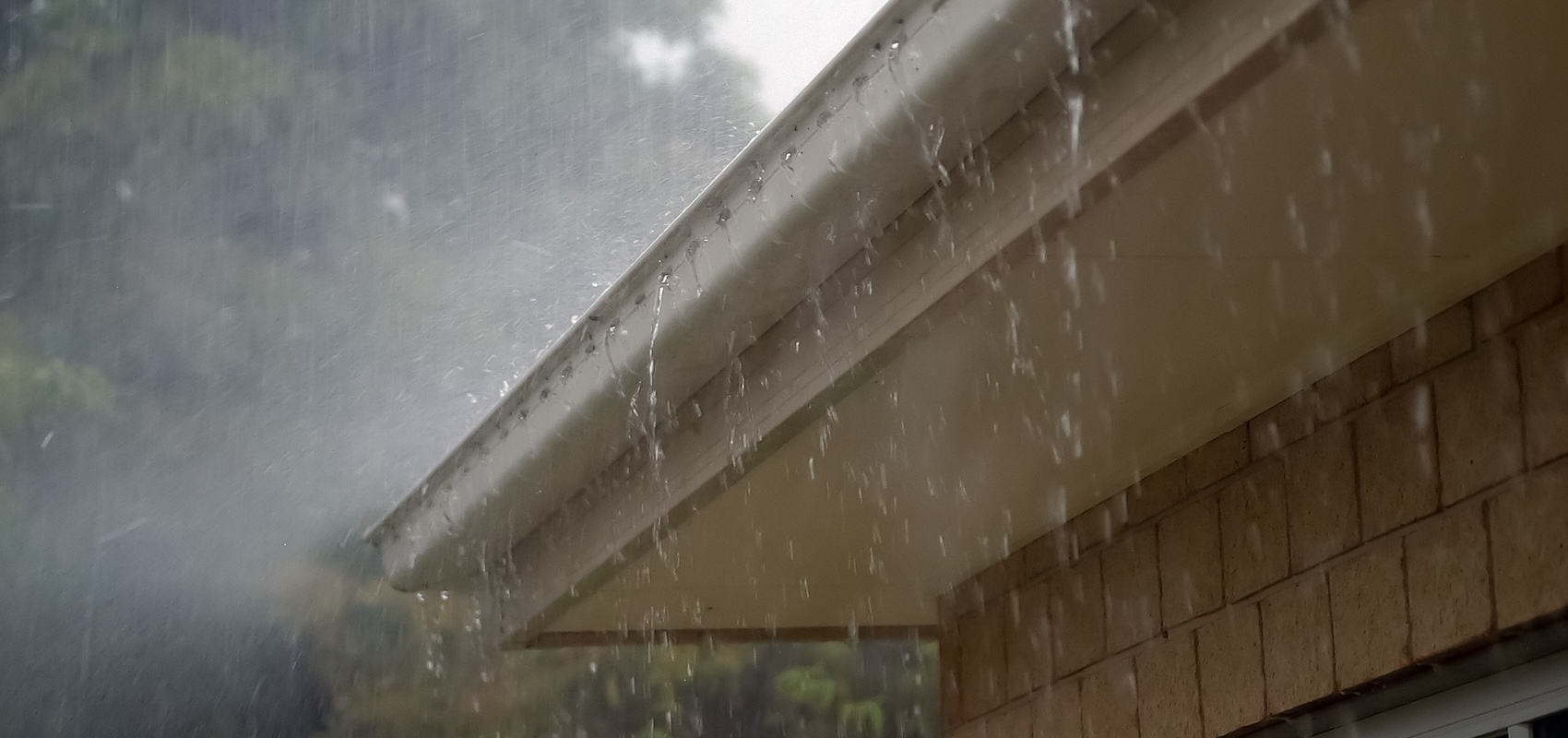
Hail flays the roof, its jagged sound immense,
but only for a minute. Anger spends
so quickly, unlike grief. Now rain
trickles through the eaves as down a drain—
minuscule, unceasing. Soon
the darkened windows will reflect
this room, encase if not protect
faint faces from the night. A loon
on the bright but muted television floats
across an evening pond. She knows
its spiraled wailing call that goes
and goes, its nimble dive when a boat
drifts in too close. She sighs. Isn’t it late?
All afternoon her feet have ached,
her leather pumps spattered with mud.
Finally, in unbroken pairs, her guests
depart with “stay strong, get some rest.”
The rain maintains its minor flood.
—Peter Vertacnik

YOU MIGHT ALSO LIKE
How to Write a Russian Novel
The Prodigal of Leningradby daniel taylorparaclete press, 256 pages, $21.99 There is of course no generic “Russian…
Knausgaard’s Mephistopheles
Back in college, one of my literature professors once remarked that the first hundred pages of a…
Living with Wittgenstein
In the autumn of 1944, Ludwig Wittgenstein noticed a young doctoral student in attendance at his lectures…
