
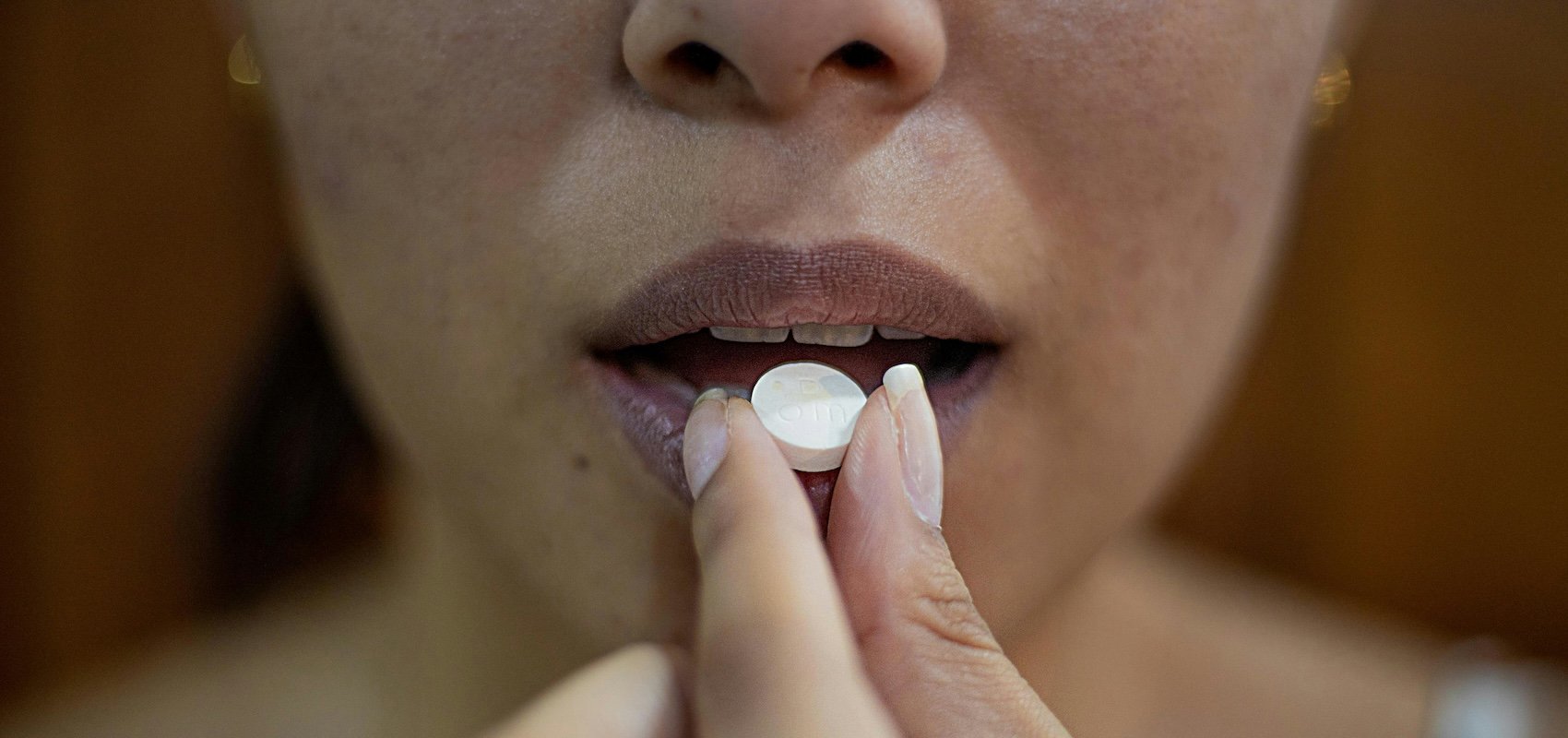
Can Trump be trusted on abortion?” I wrote in these pages last fall. One year later, the Trump Food and Drug Administration approved another generic version of mifepristone, the drug responsible for at least 63 percent of all abortions in America today, as well as an increasing number of “self-managed medication abortions,” which circumvent the healthcare system.
The approval of the chemical abortifacient, which raises the number of legal American mifepristone manufacturers from two to three, met immediate disapproval from pro-life leaders. Trump’s press secretary, Karoline Leavitt, claimed the ball Biden set in motion was impossible to stop, but many in Washington seemed to agree with Sen. Josh Hawley when he said FDA Commissioner Marty Makary had “broken trust and faith.” Peter Laffin at the Washington Examiner described the debacle as a shattering of Trump and Vance’s “pro-life facade.”
In reality, the Trump-Vance ticket was never pro-life, though rather less pro-abortion than the alternative. As Laffin notes, Vance committed to keeping mifepristone accessible before the election, and Trump affirmed he was “very unlikely” to limit access to it immediately after. Trump has since ordered the Justice Department to protect mail-order abortion pills, as though he felt the need to reassure his critics on the left that he will not be using the Comstock Act.
Trump himself is only haphazardly pro-life; Vance, despite his Catholicism, seems almost eager to liberalize the abortifacient drug. Moreover, with the Covid-era federal provision for mail-order abortions, it would be difficult to overstate just how easy accessing mifepristone already is. It is available by mail from countless worldwide sellers, legitimate or otherwise, making state-level abortion bans largely meaningless at preventing chemical abortion. To understand this is not to say the second Trump administration has been a failure, but to recognize the reality of politics at play. A full 63 percent of Americans favored keeping mifepristone available in 2023, according to Gallup. Banning mifepristone might matter to the president of the United States, but not before it begins to matter to the American people.
Medically, there are very good reasons to reconsider manufacturing mifepristone. Mifepristone caused sepsis or other life-threatening side effects in 11 percent of women who used it in at-home abortions, according to an Ethics and Public Policy Center review of insurance claims related to some 865,000 mifepristone prescriptions between 2017 and 2023. It may contaminate water supplies, too, though the Environmental Protection Agency seems reluctant to study this; former EPA employees voiced fears that traces of the drug might be tracked in water pipes and used as legal evidence against women who ingest mifepristone in states with abortion bans. (EPA had no such qualms using the same surveillance technology during the Covid-19 pandemic, to identify which communities had the greatest rate of infection.) Both of these pale in comparison to the main effect, of course. Mifepristone results in death in 95–99 percent of unborn children who are exposed to it before ten weeks of pregnancy.
It is strategy, more than chemistry, however, that drives FDA approval of generic drugs. Approving more generic mifepristone is another way of saying market economics will be given freer rein in the abortion industry: Increased supply results in decreased demand for the name brand drug, Mifeprex, and therefore decreased prices across the board. Once a handful of generic brands are allowed to circulate, the drug in question—like acetaminophen (Tylenol) or hydroxychloroquine—becomes unremarkable. That is, expanding access to mifepristone is not only fashionable, it is ideal to the politician who is tired of being asked about it. It is easier for everyone if the question of when life begins becomes irrelevant amid the onslaught of cheap products.
Like many Americans, Trump has a natural distaste for the concept of baby killing. Also like them, his instinct is not half so strong when applied to first trimester abortions, when the human person hidden within the womb is so much harder to envision. Without a Christian ethic of human value, it is hard to make a convincing case for protecting the invisible child. Chemical abortions, which typically occur at or before ten weeks gestation, only make the occasion feel more private, an isolated decision that a woman may imagine involves only one person, herself. The question of violating a doctor’s conscience, for example—what Erin Hawley sought to press before the Supreme Court in FDA v. Alliance—is limited to the scenario of an emergency botched abortion; otherwise, all agency and responsibility is put in the hands of the mother.
No one actually wants abortion to be a truly private act, of course. Generic mifepristone demonstrates this well. As the abortion pill becomes more common, it will more commonly be the source of lawsuits and horror stories, as that 11 percent of women who experience deadly side effects represents a more sizable number of victims. All of modern medicine has side effects, and medical malpractice insurance exists for a reason. Yet unlike the woman whose baby is aborted in a clinic, the woman who takes mifepristone at home has no doctor, no nurse, and no technician to blame if something goes wrong, much less if everything goes horribly right. Mifepristone lays the burden of responsibility squarely on her shoulders, as the sole agent of her child’s death. Maybe something went wrong, maybe she was mistaken about the nature of the drug, maybe she regrets her decision, it matters not: By putting more killing in the hands of mothers with practically no oversight, the FDA is giving women the unfettered freedom of choice abortion advocates have been begging for for generations. It is a responsibility they almost certainly are not prepared to meet.
