
 I have a rather long piece on NRO about the worsening and widening euthanasia license in the Netherlands, Belgium (especially!), and Switzerland—and what accepting euthanasia consciousness does to a nation’s moral fiber. Anyone interested can read the whole thing by hitting the link below.
But for here, I just want to share the opening of the piece, depicting an incident from last weak that spurred me to write the article. From “Euthanasia Spreads in Europe:”
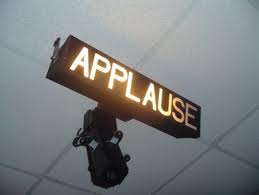
I spoke at a town-hall event about end-of-life care recently that, unfortunately, devolved mostly into an intense debate on assisted suicide. When the time came for audience questions, a self-described “mentally ill” woman took the microphone and strongly declared that she too should have the right to doctor-prescribed death. More than half the audience applauded, validating the woman’s potential suicide.
Ten years ago, supporting suicide for the mentally ill would have been unthinkable, even among hardcore Hemlock Society types. Now, alas, giving approval — or shrugging indifferently — to all manner of suicidal desires is becoming increasingly common. Indeed, you probably didn’t know that Sept. 10, 2011, was “World Suicide Prevention Day,” it received such scant media attention.
Why the change from an anti-suicide culture to one that is, at minimum, suicide-tolerant? I am convinced that, at least in part, the assisted-suicide movement has eroded society’s commitment to suicide prevention. It has created an atmosphere where many people now see “dead” as better than “dying” and suicide as a valid remedy for the debilitations caused by serious illness, disability, or being frail, elderly, “tired of life,” or chronically — or even, as I have seen, mentally — ill. Indeed, rarely a day goes by without some story implicitly or explicitly supporting assisted suicide as “death with dignity” or a compassionate response to the problem of human suffering.
This is very serious business, regardless of the legalities. Accepting the taking of human life—whether assisted suicide or euthanasia, there’s little moral difference in my book—changes a society. It distorts its values and perceptions, and undermines the perceived intrinsic worth of human life. Indeed, it leads to a culture in which a mentally ill woman can be applauded for wanting help in killing herself.
Dear Reader,
Can I be direct with you?
War abroad. Socialists on the rise. AI upending human life. Endless uproar online. The modern attention economy doesn’t want readers — it wants users enslaved to the tyranny of the present.
First Things is the antidote: literary excellence, timeless truths, and a fixed point of reference in a culture that has lost its bearings.
But we can’t do it without readers like you.
Our goal: Raise $150,000 by November 1 to sustain First Things in the year ahead.
Your gift anchors readers in the permanent things.
Make your Fall Campaign gift now using the button below.
If you have any questions or would like more information, please contact Giovanni Del Piero, Director of the Editor’s Circle, at gdelpiero@firstthings.com or 212-627-1985.

YOU MIGHT ALSO LIKE
The Church in the Age of Therapy
In 1966, Philip Rieff wrote in The Triumph of the Therapeutic that “Religious man was born to…
Canada’s Deadliest Blind Spot
On September 20, the Daily Mail ran a story with the provocative headline, “Our 83-year-old Christian grandmother…
The Faithful Joy of Dolly Parton and Fulton Sheen
Dolly Parton and Fulton Sheen seem to have had little in common. She favored rhinestones; he wore…
